
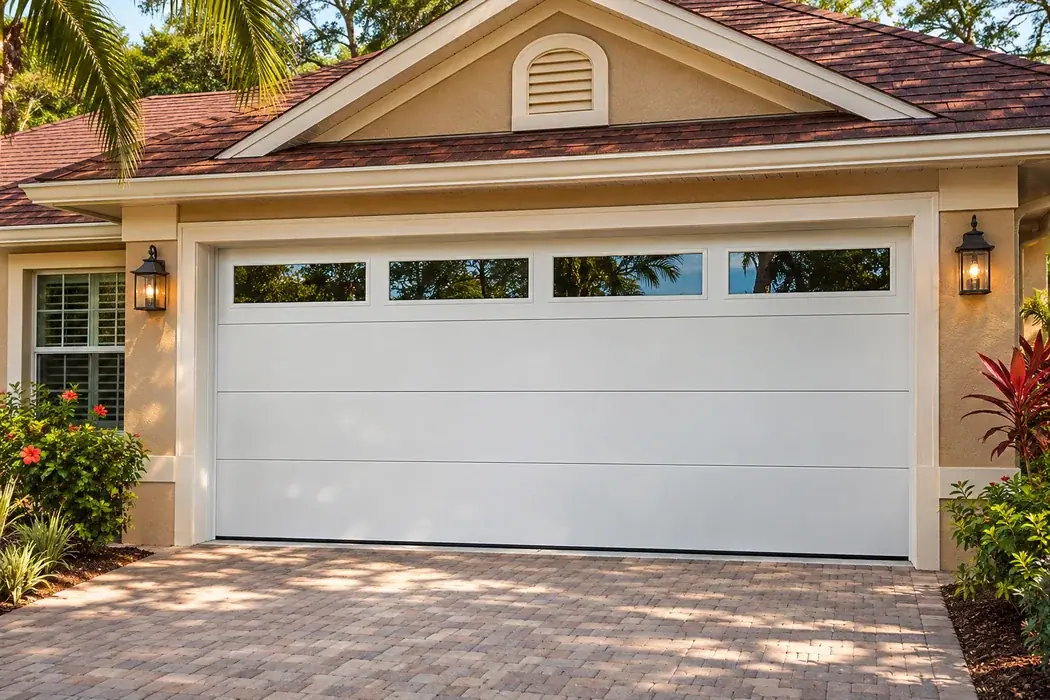
Think about how the garage is used
An attached garage that shares a wall with a bedroom and a detached garage used only for parking present different buying decisions. Note how many hours the door stays closed, which direction it faces and whether you spend time in the garage. Insulation slows heat transfer through the door while it is closed. Other walls, the roof, ventilation and weather seals also affect comfort.
Read the two common ratings
A higher section R-value describes greater resistance to heat flow through that section. A lower tested whole-door U-factor describes less heat flow through the complete assembly. Ask whether the numbers on two quotes use the same measure. Confirm how the selected glazing and construction compare with the tested configuration.
Look closely at the perimeter
A damaged bottom seal or daylight around the sides is worth discussing during an estimate. Weather sealing and door alignment can make a difference regardless of the insulation option. Ask for separate installed totals for the insulated and uninsulated options, with the same size, glass and finish. Think about the features you will actually use rather than relying on a promised change to your utility bill.
Homeowner questions
Will insulation cool the garage on its own?
Insulation slows heat flow. The garage temperature will still depend on the weather, sun exposure, the rest of the building and how often you open the door.