
Heavy-Duty Torsion Springs
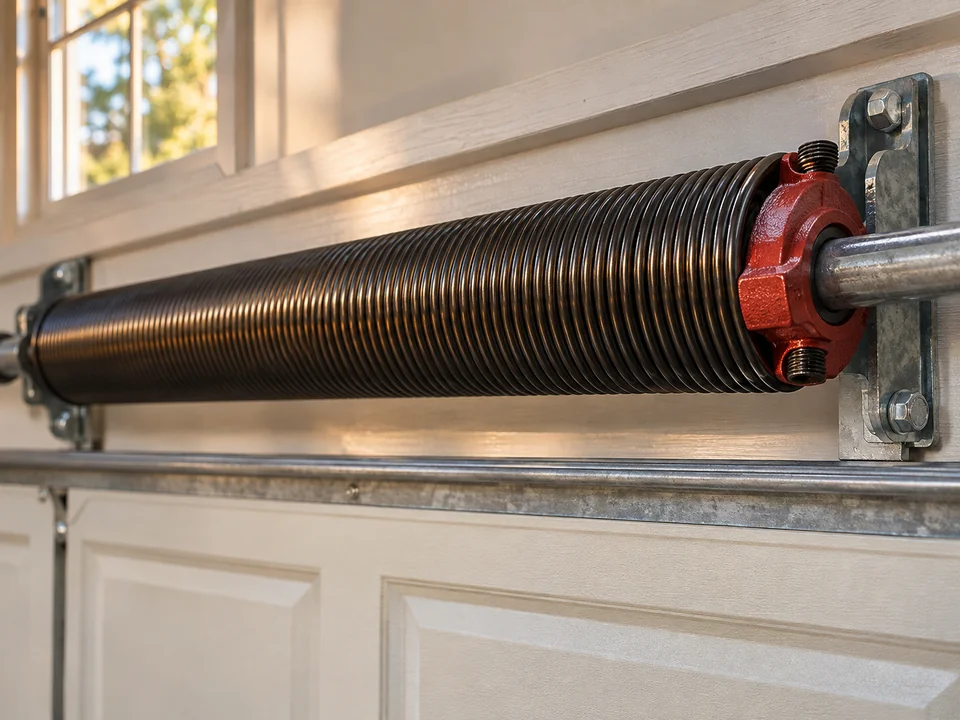
A torsion spring helps counterbalance the door’s weight. A technician sizes it to the door and its lifting hardware. A heavier spring can be the wrong fit for a lighter door.
Garage door parts
A door moves as a system. The right part has to match the door’s weight, hardware and travel.
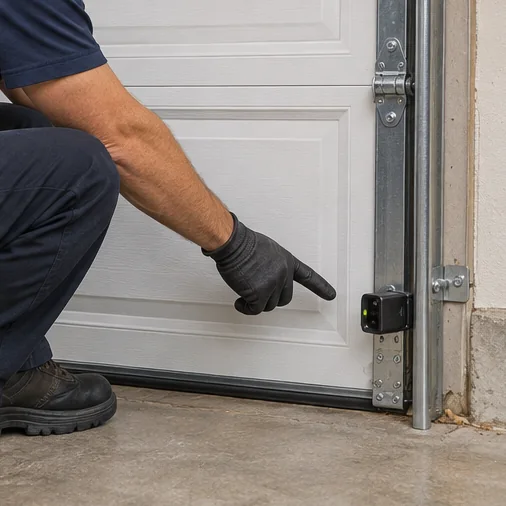
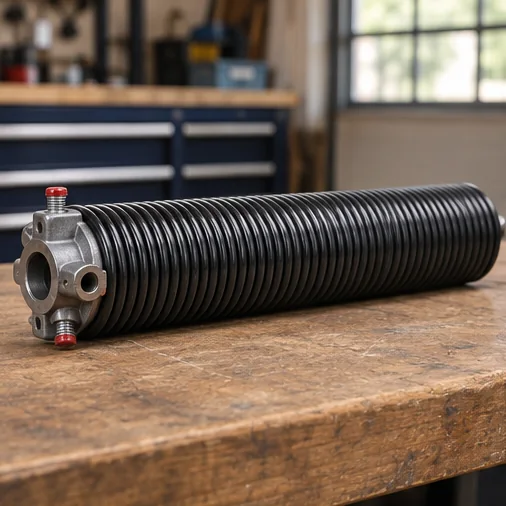
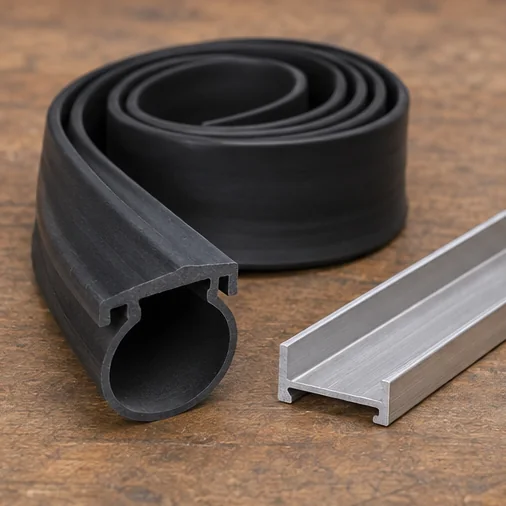
Component illustrations for identification.
A torsion spring helps counterbalance the door’s weight. A technician sizes it to the door and its lifting hardware. A heavier spring can be the wrong fit for a lighter door.
One opening and one closing count as a cycle. For a frequently used door, ask whether a higher-cycle spring is available for its weight and clearance. Compare the manufacturer’s cycle rating and the written coverage.
Some doors use long springs beside the horizontal tracks. Their safety cables help contain a broken spring. A missing cable or stretched spring calls for a professional inspection.
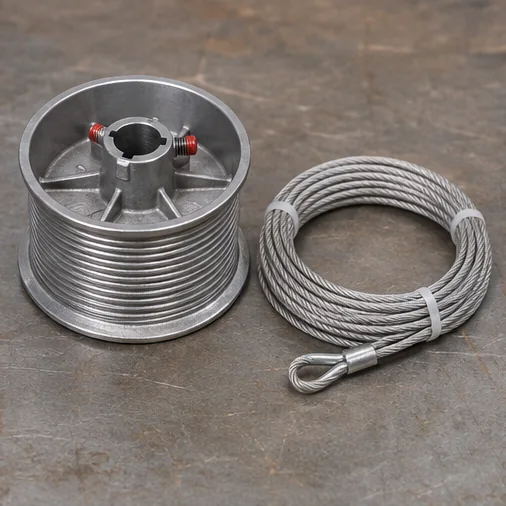
Lift cables connect the door to its lifting system. A frayed cable or a door hanging low on one side warrants a service call. Leave the door in place and keep the opening clear.
Grooves around each drum guide the lift cable as the shaft turns. The drum and cable must suit the door’s height and lifting arrangement so both sides travel evenly.
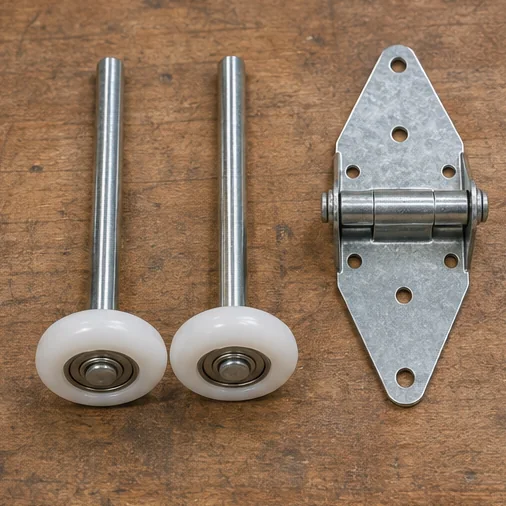
A roller carries the edge of each section through the track. The wheel size, stem and load rating need to match the hardware. A quiet roller also depends on a sound hinge and straight track.
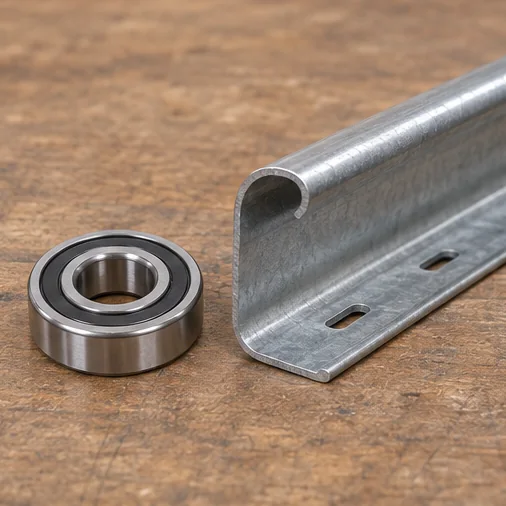
Bearings support the rotating torsion shaft. Rough motion can originate at a bearing or elsewhere along that shaft. An inspection helps narrow the source before a replacement is ordered.
Hinges connect the sections so the door can follow the curve into the ceiling. Their location and size matter. A cracked hinge or a panel tearing around a fastener should be checked.
Vertical and horizontal tracks guide the rollers. Bent steel, a pulled-away bracket or a roller outside the channel can make the door unsafe to move. Stop operating it until it is inspected.
Brackets, fasteners and reinforcement work together to carry the load. Bottom brackets connect to the tensioned lifting system and should only be handled by a trained technician.
Flexible trim around the top and sides helps close the gap against the frame. Daylight at one corner can also point to alignment trouble. Match the seal profile to the door and trim.
The flexible strip along the bottom cushions contact with the floor and helps limit blowing debris. A split seal, uneven slab or damaged retainer can each create a gap. The repair depends on which surface has changed.
Call to ask a question or set up a visit. Have your ZIP code handy if you know it.